ニワミチスケートパーク : シャイン光に聞く
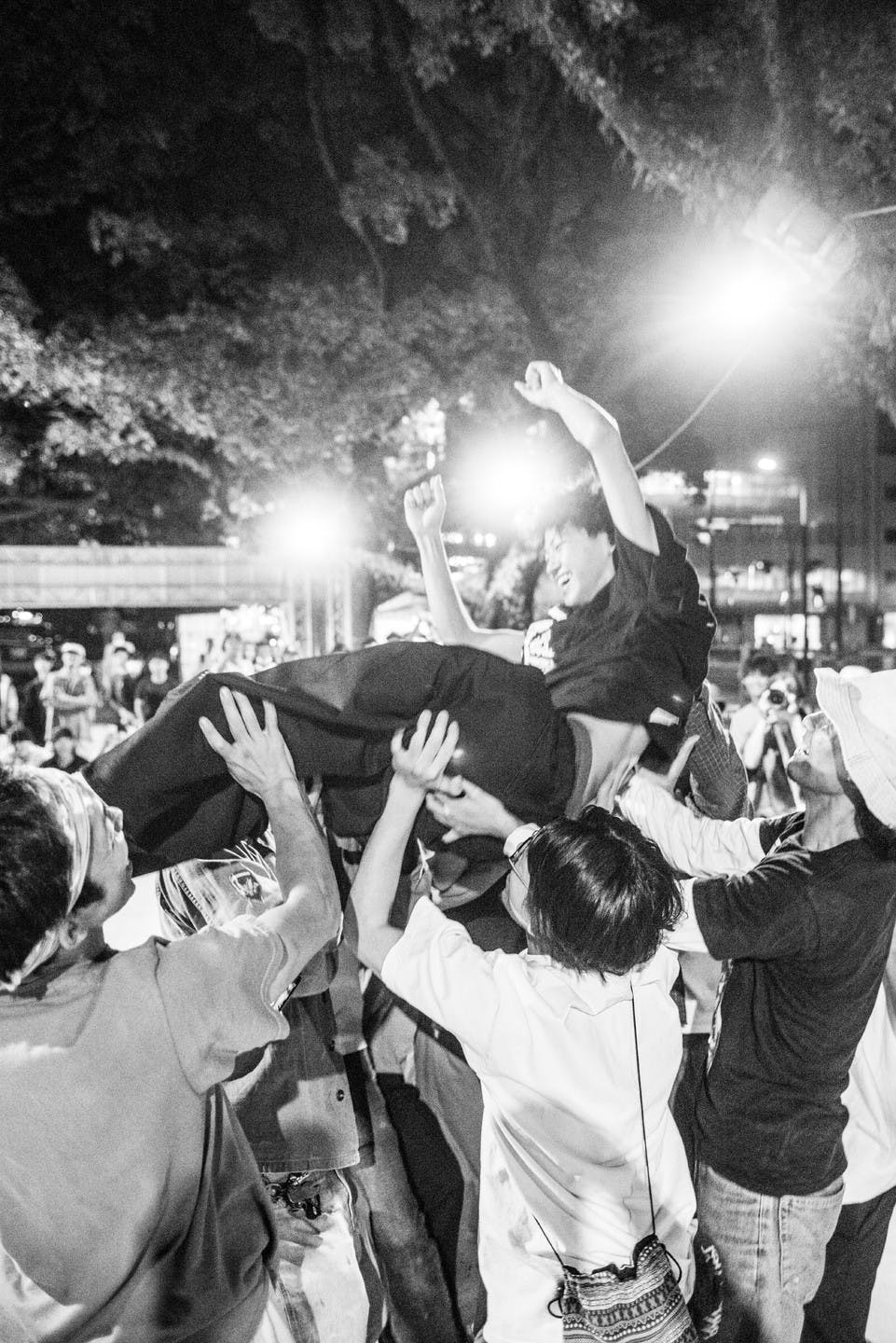
最近ではパーク沢山できたからといってセクションにガッカリする人がいたり、ヘルメット強制着用だったり、管理体制が悪かったりして、良くないケースをとても聞きます。無いよりはマシと言う感覚だと3年もそのパークは持たないとおもいます。本当に税金の無駄になる。
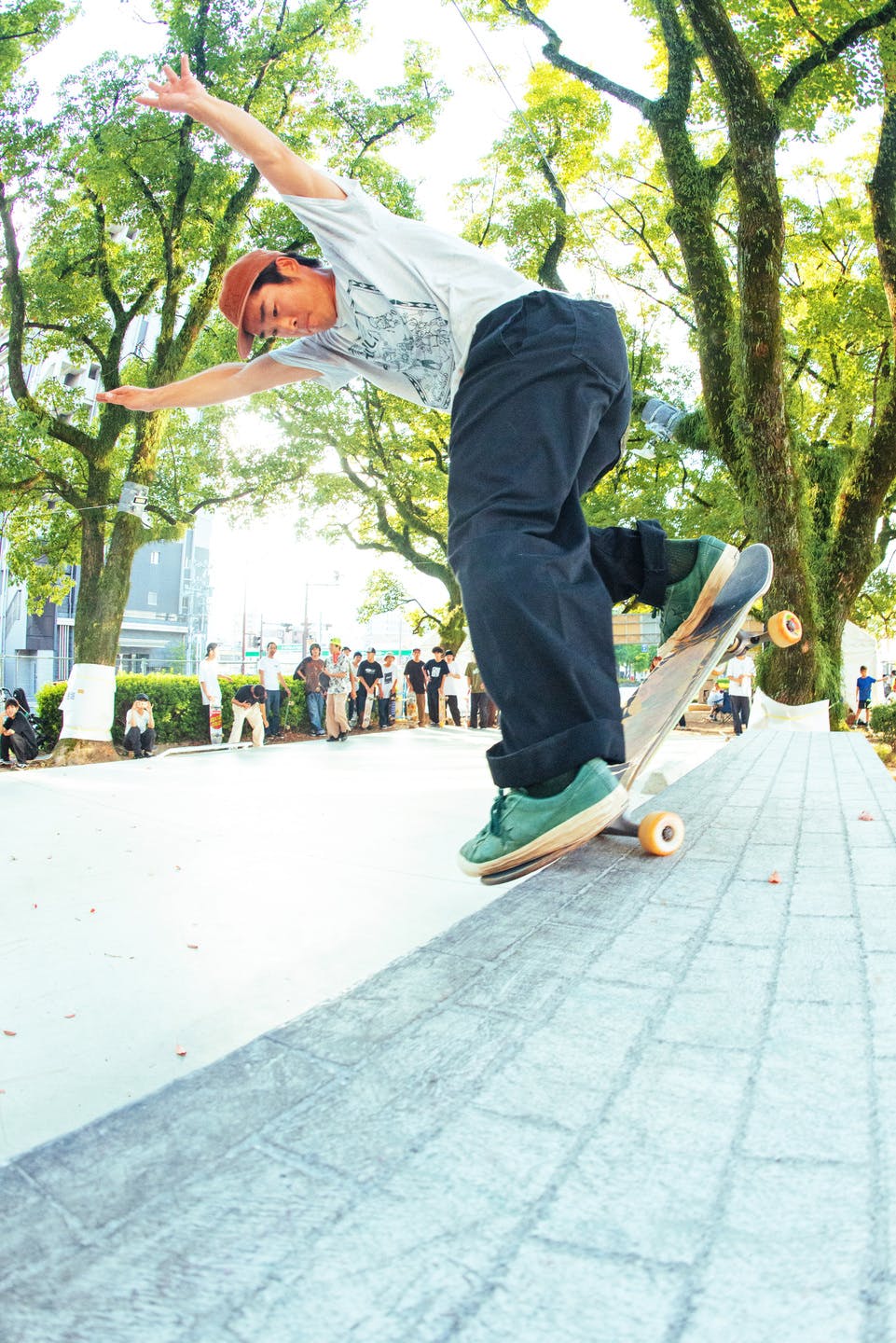
公園は利用されない方がゴミも溜まるしレールが錆びたり、縁石の状態も悪くなる。「本当の管理とは?」って感じでした(笑)。
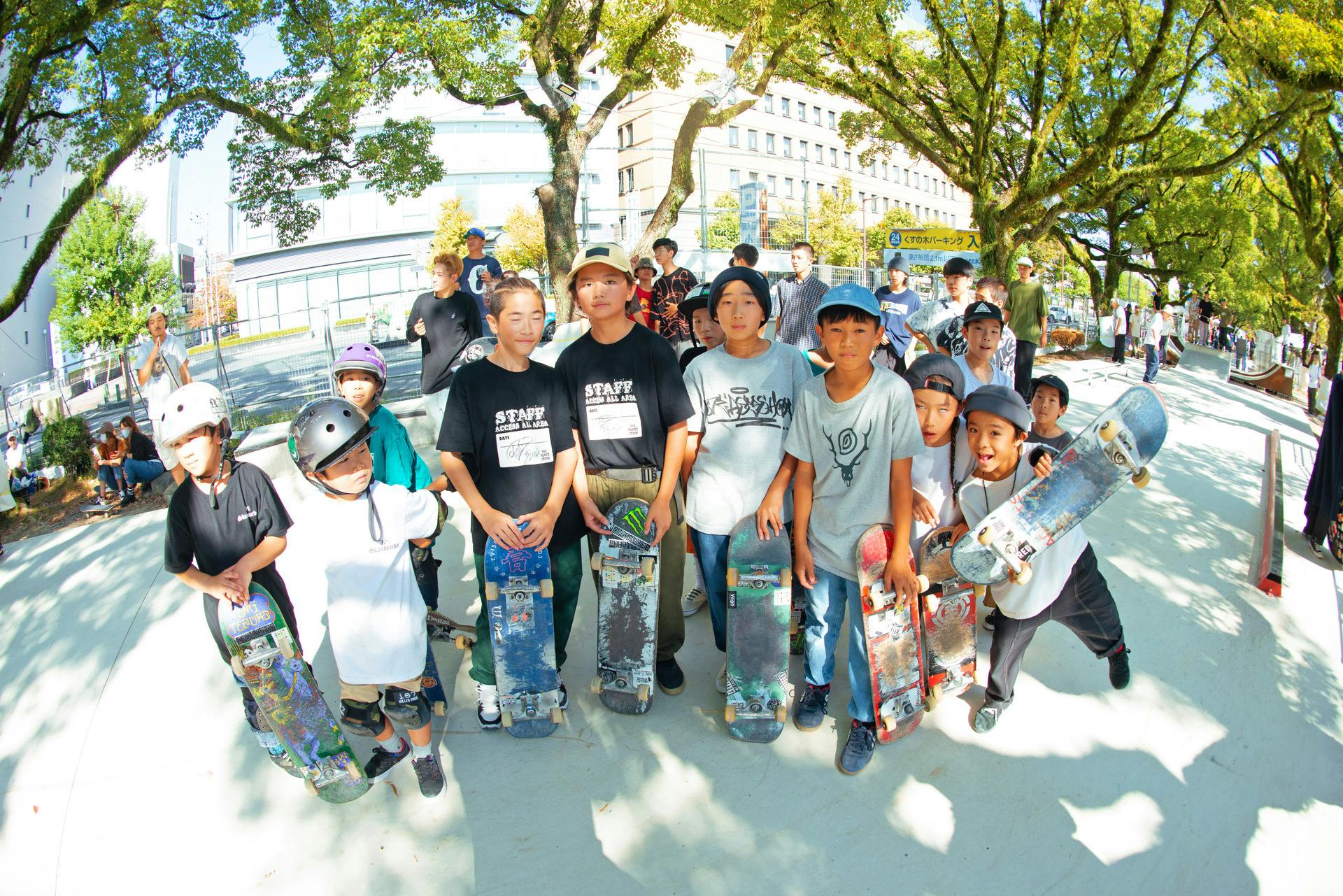
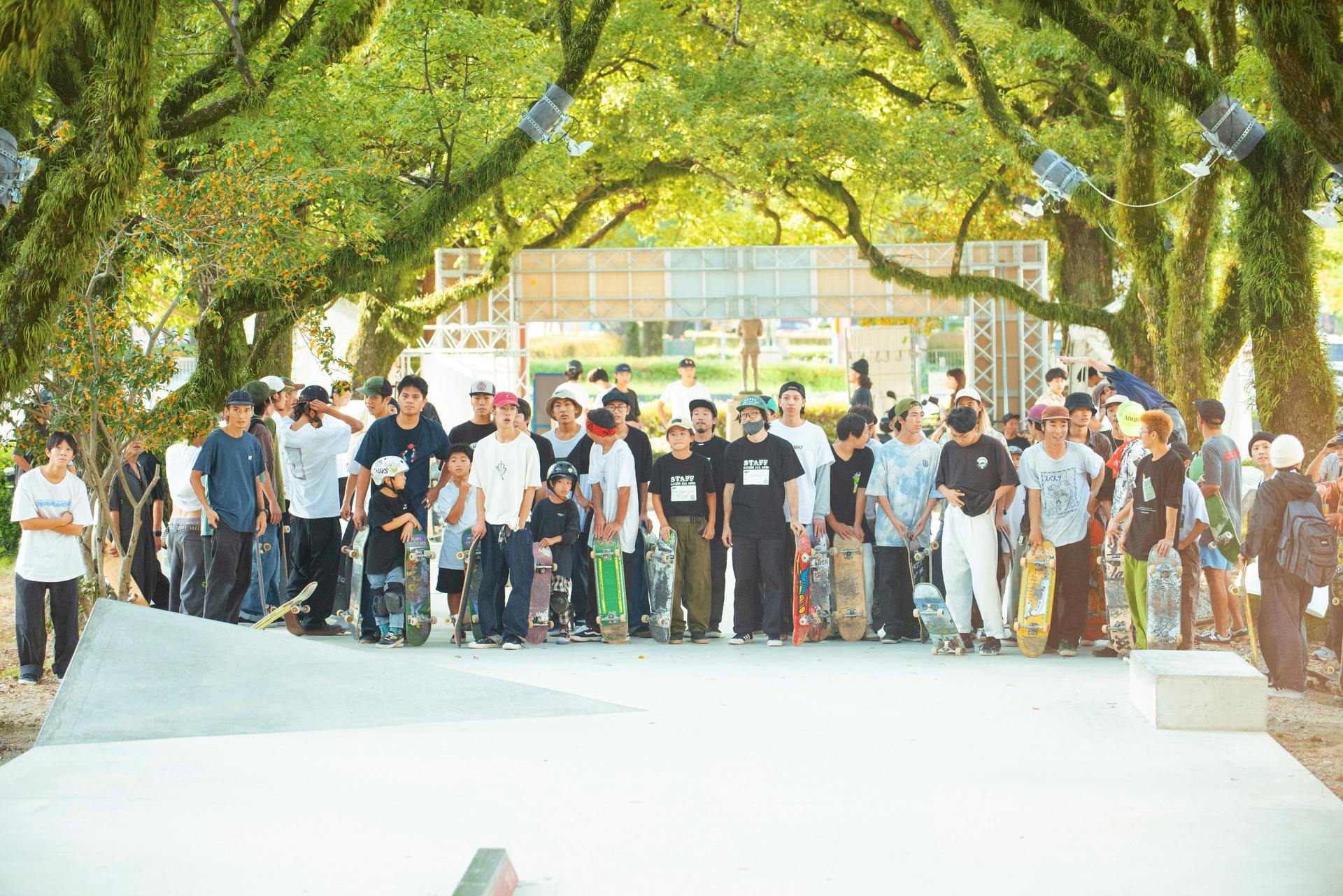
今回の場所は戦前、戦闘機の滑走路だった場所に戦後、平和を願うため、楠木という木を植えた、平和を象徴するような場所で行われました。街の真ん中の道路の中央分離帯に沢山の楠木が生えているため、植物を傷つけない、火災の危険性などが重視されたので喫煙問題が、行政や自然愛好家から細かく指摘されました。
でも近辺には喫煙エリアなどもなく、禁煙の看板も少ないため、分からない人が沢山いたので、そこは困りましたね。「喫煙マナー問題があるから、平日は開けれない」なども言われました。
この話はパークの話より長くて、俺タバコ吸わないからマジでどうでもよかった(笑)。
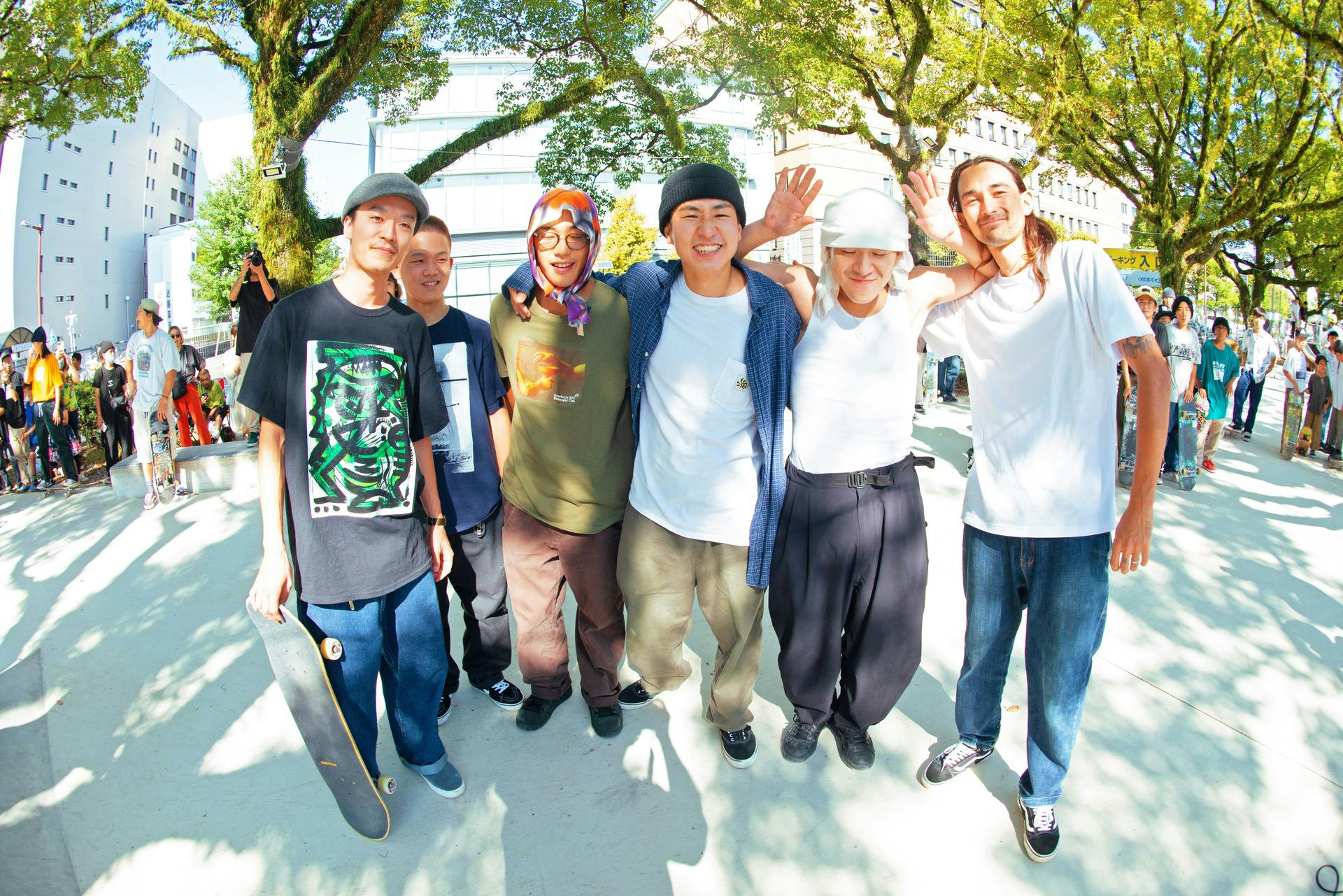
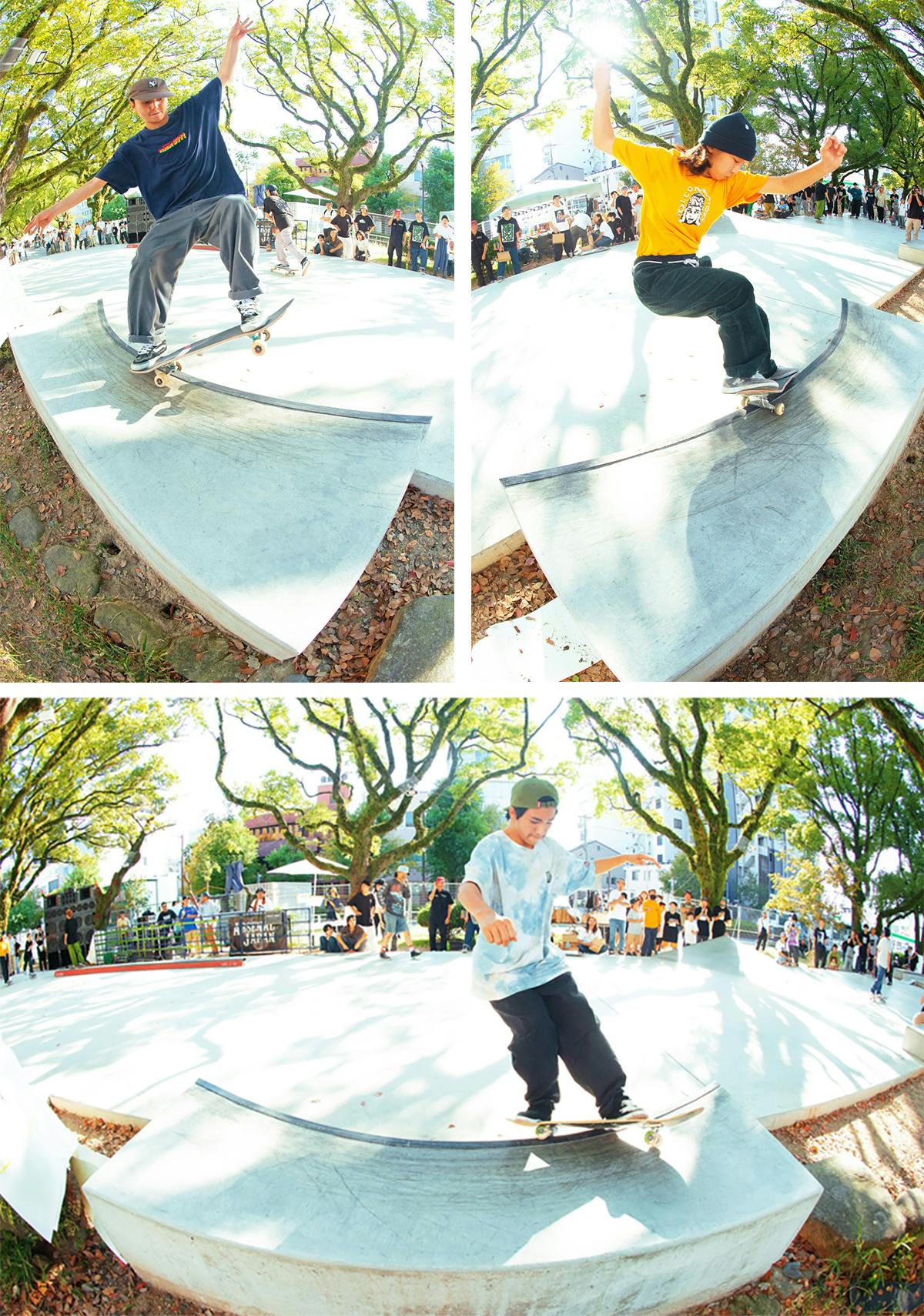
なので捨ててるやつは子供より大人のが多かったかも、まぁそんな奴らは一生、オーリーの着地も曲がってるような奴らで、グリッチョ程度の怪我で騒いですぐ消えますし周りのことも自分の膝から上も何も見えていないような奴です(笑)。
まぁ俺はゴミもセクションやと思ってるんで、ちょうどいいとこに缶が転がってるからテールバッシュしよう。みたいな。だから拾ってるやつが正義とは思わないが、捨てるやつはキモいと思う。まぁけどそんなんで騒がないでゴミなんてカラスが持ってってくれたりするし自分で拾えばいい。
昔の若宮なんて、汚過ぎて転けたくなかったから、メイク率もめっちゃ上がったしな(笑)。けどニワミチはとにかく気持ちの良い場所だったからゴミは要らないな。
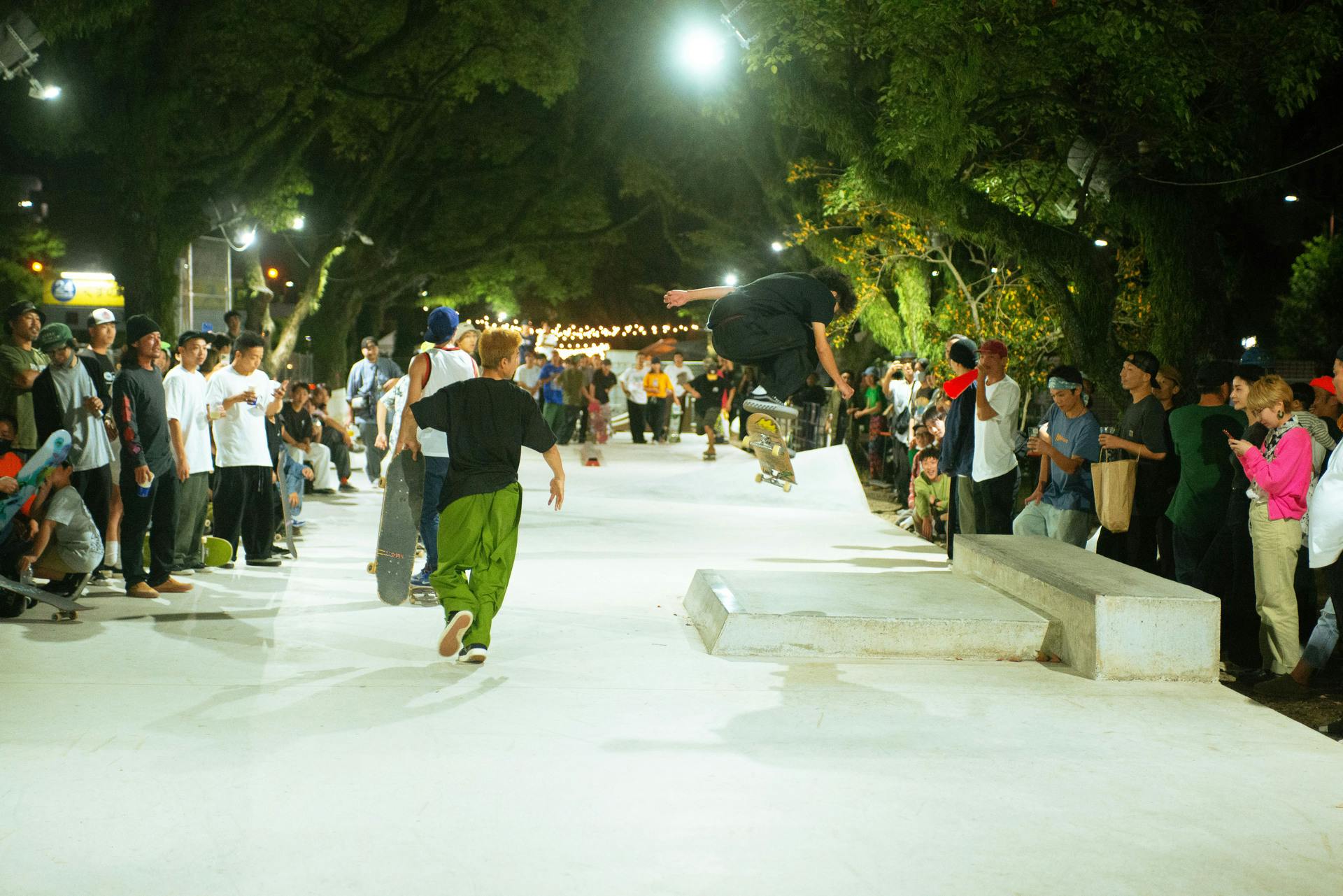
問題が起きるようなことには触れたくない。問題が起きたら誰も責任はとりたくない。そのような不安と被害妄想が膨らみすぎた結果、何もしない。何もできない。その状態でルールを作るのは解決に繋がりにくいし、むしろ、ルールがすぐ問題に変わり、また問題が増える。もはや人間の心理もあると思いますが。
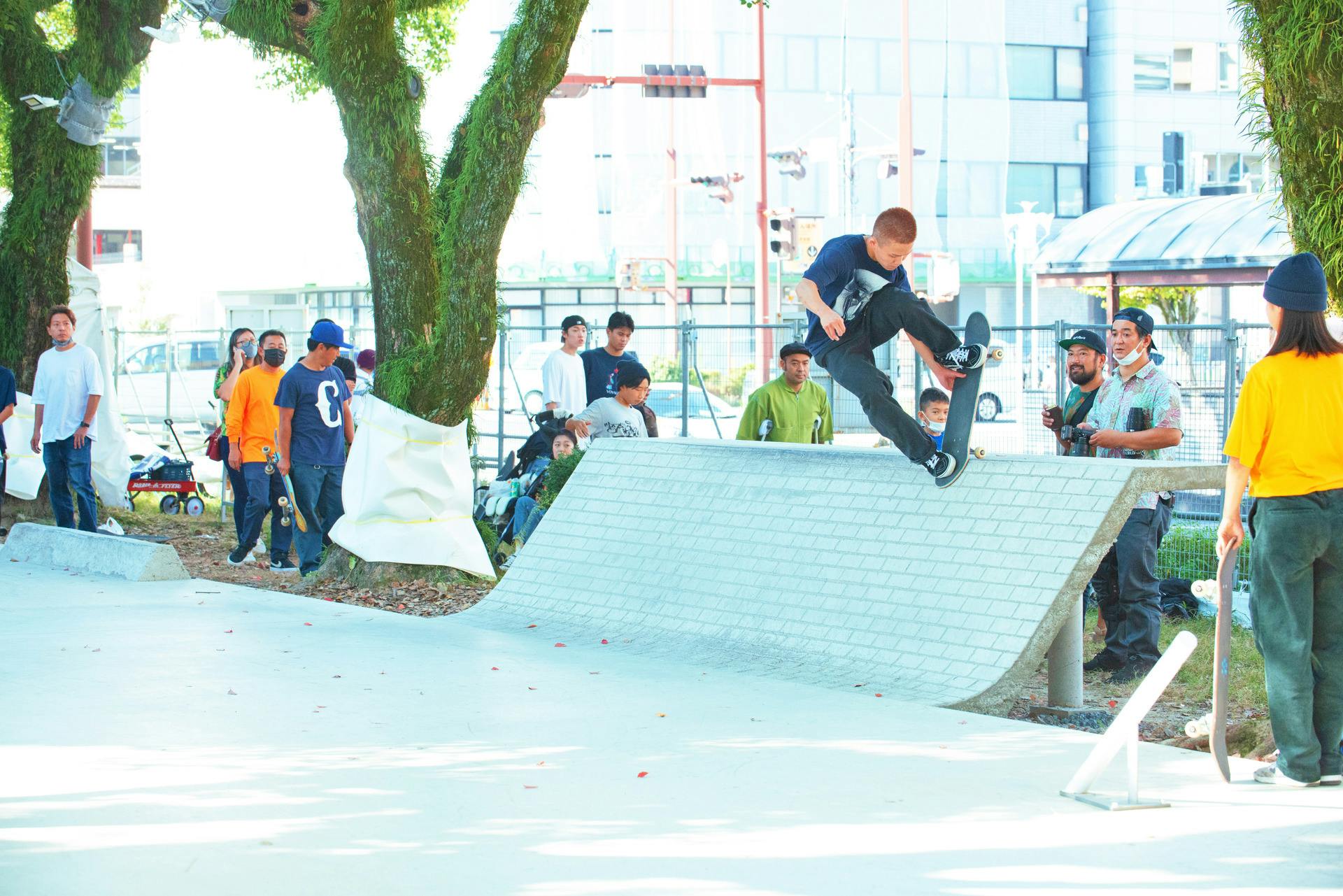
元々行政と知り合いでも何でもない我々が信頼関係もなく始まった、このプロジェクト。スケートボードのスの字もわからない方々に取り調べのようなぐらい勘ぐられては疑われていた。
だから、まず向こうの話しを聞きまくって、全て逃げずに答えながらも相手に自分の立場にたたせるように少しずつ引き込む。それだけで、どうして俺たちの気持ちがワクワクしてるのかを、少しずつ感じさせる。そうすればきっと不安だったことも解消されたと思うし、やる気にもなる。伝わりかたも、言い合いを討論に変えればとても良くなると思いました。
我々に喧嘩をしている暇はなく、力を合わせ合うしかない。ましてはプロジェクトが始まる期間まで本当に時間がなかった。プレッシャーはとてもあったが、この街で滑り続けている自分なら必ずやりきれるという自信と余裕もあった。
今まで、どれだけのスポットをつくってきたか。今やってるSOUTH TREEのようにスケーターも全然いなければ、何もなかった場所に、急に新しくパークやショップ、ビジネスモデルとそれ以上の交流と発展を創り上げ続けているので、自分は必ずやれると思っていました。
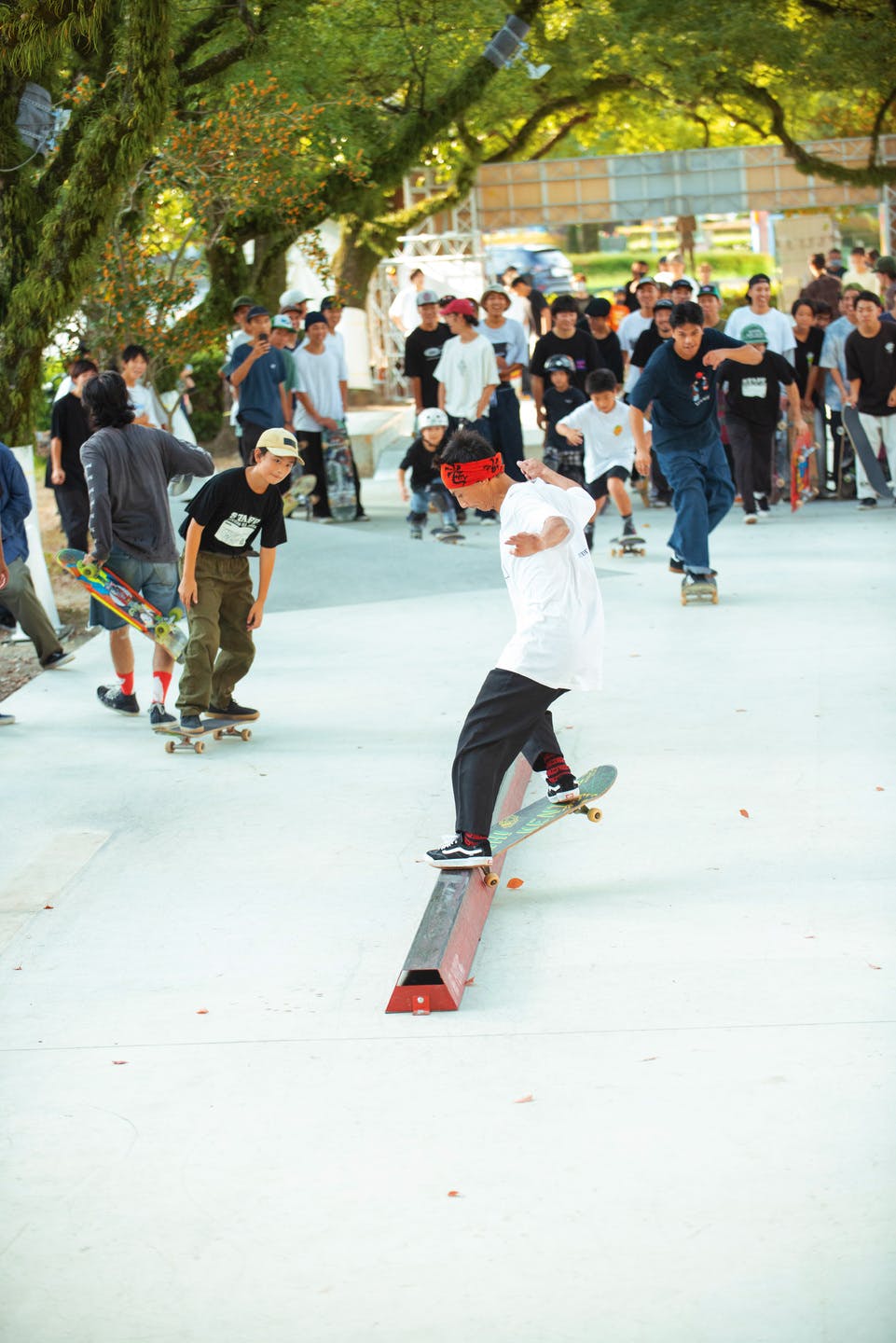
俺がパークを作って伝えたいのはそれだけのことです。どんな環境でもスケートをする我々のようなスケートボーダーなら、きっとそれができる。そういう思いも込めて正面から接してました。何度も交わした会議でも一歩も引くことはなかった。
なぜなら自分からパークを作って欲しいとは一度もお願いしていないんで、そこに上下関係とかいらないと思っていたし、それだからこそ対等に話しができてよかったし、実現できて本当によかった。
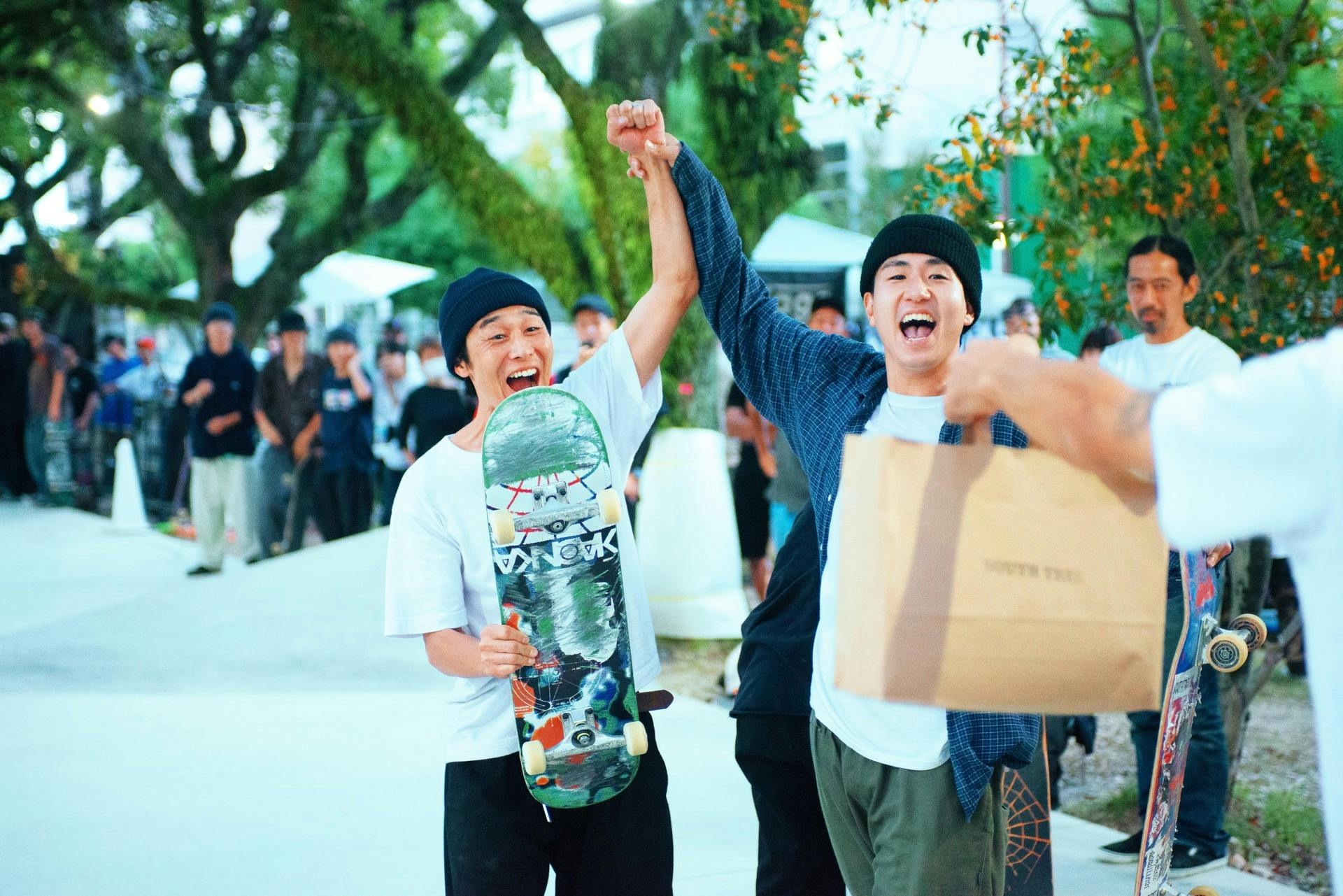
インタビューをしてくれたPANCAKEありがとうございました。明日はパンケーキ食べる。
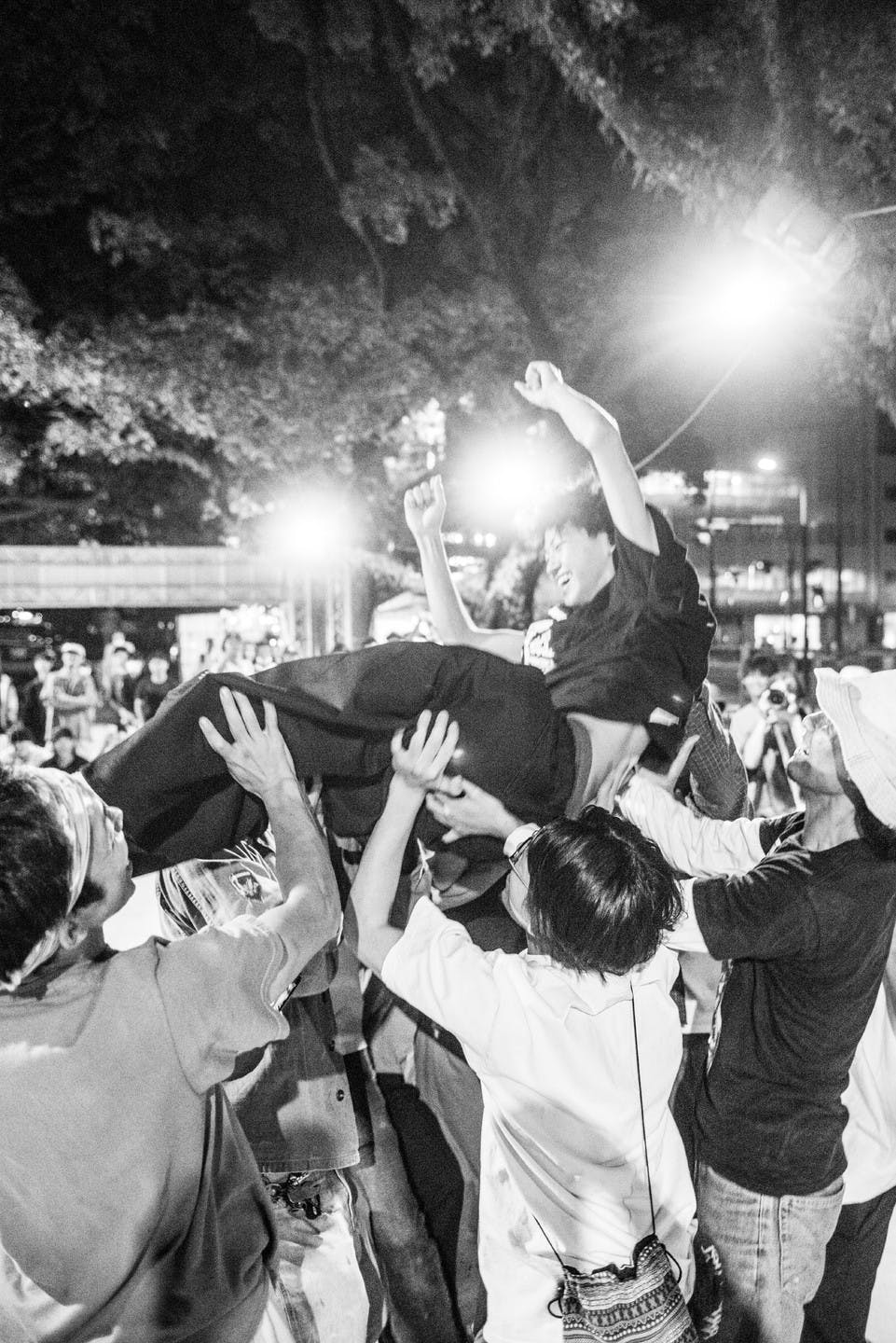
Niwamichi Skatepark with Shine Hilaru
For this issue, we asked Mie’s leading skater, Shine Hikaru (SOUTH TREE skateshop) — one of the key people who worked hard to keep the park running — to share his honest thoughts.
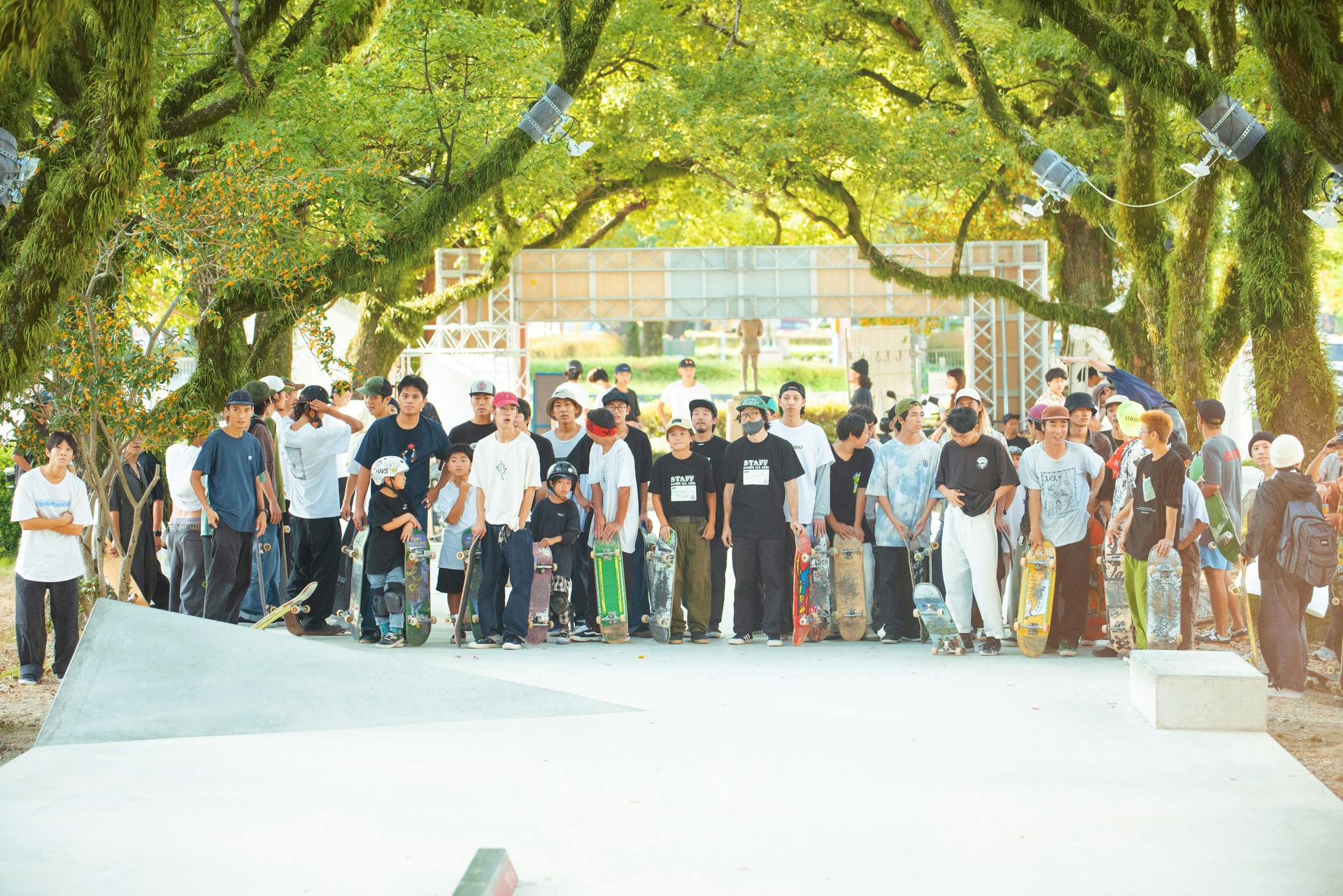
If you’re going to build a skatepark right in the middle of a city like this, it has to be more interesting than the existing street spots. It needs sections that are fun, creative, and truly addictive. If it doesn’t spark excitement or give people a sense of hope, they simply won’t use it. That sense of vision — and how you move with it — is more important than anything.Lately, we’ve seen a lot of new parks being built, but people end up disappointed with the sections. Some parks require helmets at all times. Others suffer from poor management. We hear about these negative cases way too often.
If the mindset is just “it’s better than nothing,” the park won’t even last three years. And in the end, it just becomes a waste of public money.
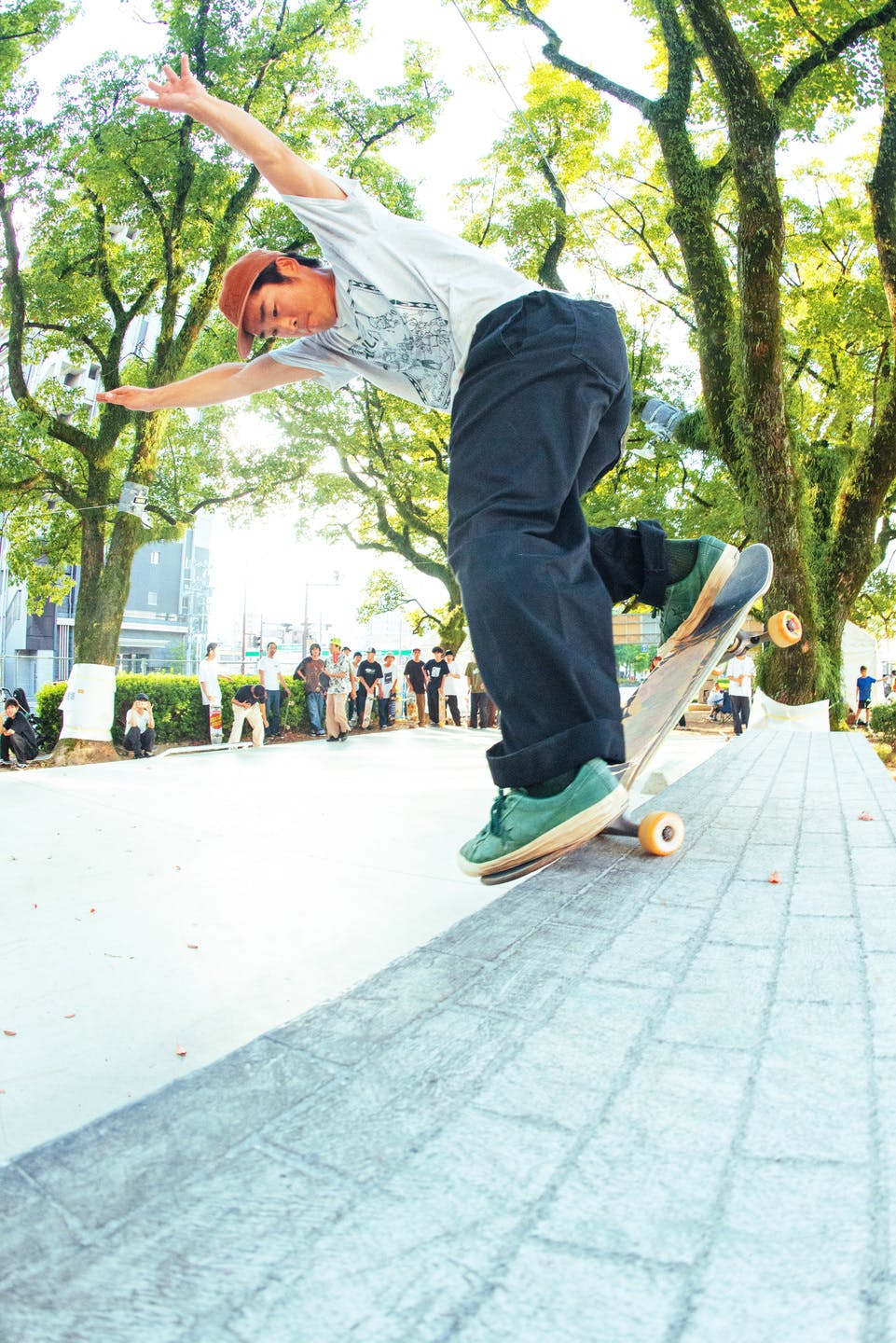
During the social experiment period, researchers and city officials handled things like locking up every day, so there were no major problems. Even after the experiment ended, many locals voiced their hope that the park would reopen. Originally, the plan was to start tearing it down the day after the final event. But instead, the city decided to leave the park standing until the next phase of redevelopment began.
After that, on holidays, weekends, and during long school breaks like summer vacation, an older gentleman dispatched through the city’s silver staffing program would come to unlock the gates. Of course, that meant labor costs, so the park stayed closed on weekdays. We went to talk with the city many times for the sake of the users. But there was no additional budget available, and sometimes the focus was only on the negative behavior of a few skaters. Still, it felt like such a waste to keep it closed. People would travel from far away and not be able to skate. Local kids, finding it locked, would end up skating nearby, get yelled at, and then come to me asking for help.
It was a public park run by the city. I always felt it should have been managed better for the people actually using it. At the end of the day, though, it’s simple. Skaters follow the rules, and the city just doesn’t lock the fence (laughs).
When a park isn’t used, trash piles up, rails start to rust, and ledges fall apart. It really makes you wonder what “real management” means (laughs).
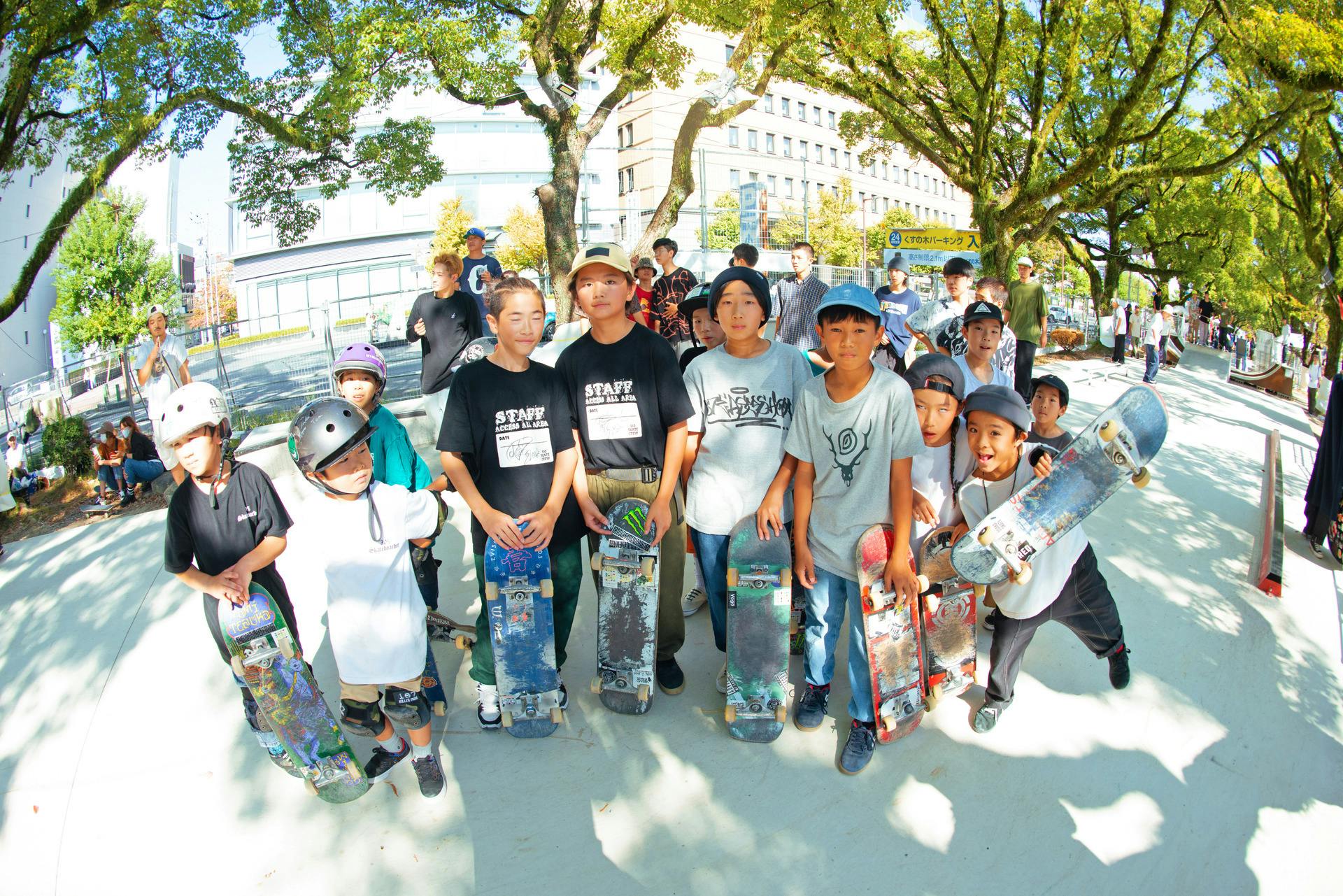
When it comes to rules and etiquette, it really depends on the location and the area, so enforcing everything strictly is tough. But the reason rules matter is exactly because we want to skate as freely as possible.
This particular spot had a lot of history. Before the war, it was a fighter plane runway. After the war, trees called “kusunoki” were planted there as a symbol of peace. Since many of these trees grow along the median strip of a road in the middle of the city, people were really careful about not damaging the plants and avoiding fire hazards. That’s why smoking became a hot topic, with the city and nature lovers pointing out issues in detail.
But there weren’t really any designated smoking areas nearby, and there weren’t many no-smoking signs either. So a lot of people just didn’t know, which caused problems. I even heard things like, “We can’t open on weekdays because of smoking etiquette issues.”
That conversation actually went on longer than the park discussion, and I don’t even smoke, so yeah, it couldn’t have mattered less to me (laughs).
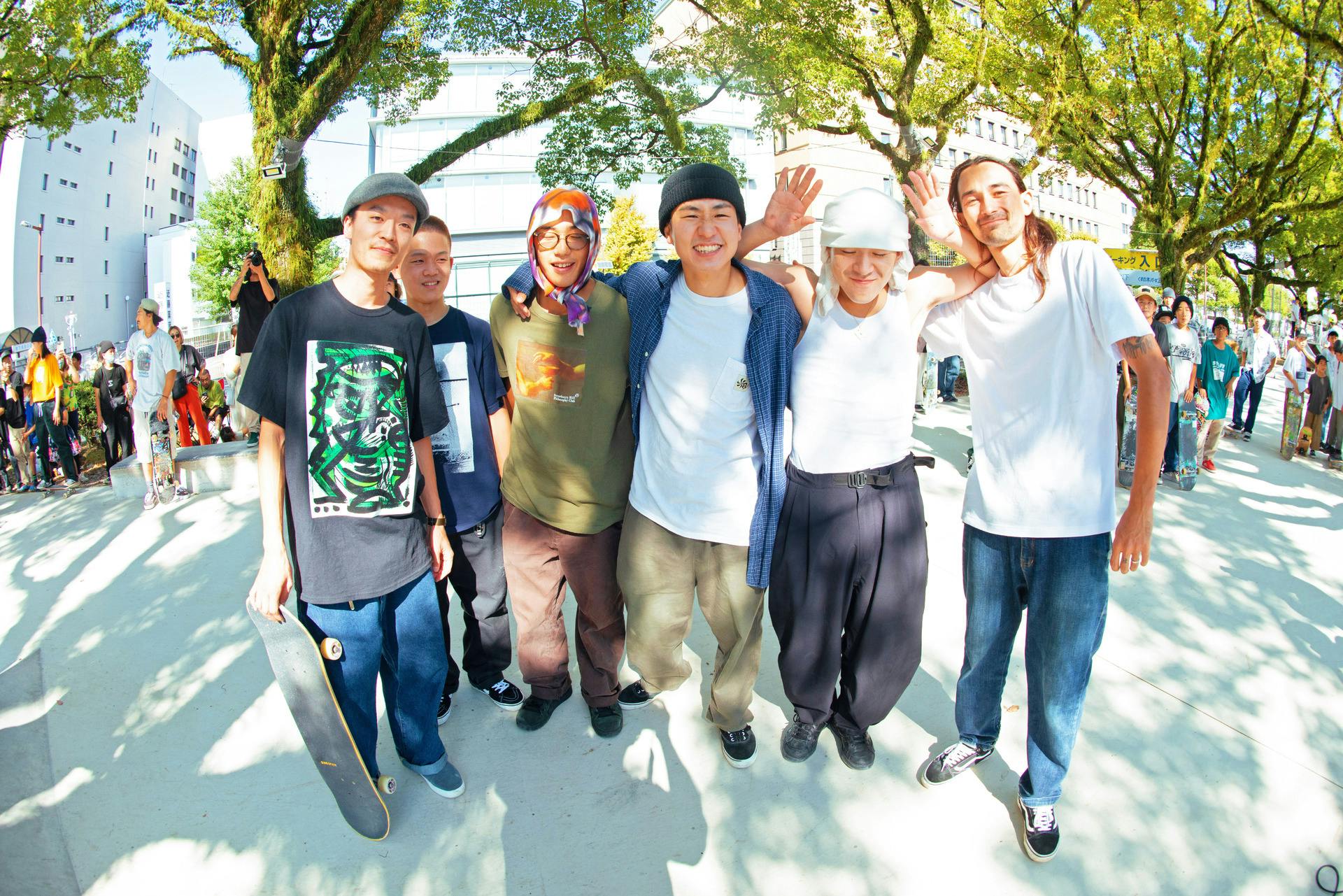
We spent what felt like forever talking about things that could’ve been solved in a minute, which almost made me lose it—but honestly, I was kind of enjoying it (laughs). If you really want to separate smokers from non-smokers, then don’t bother lighting up the holiday decorations—just put more ashtrays around the city! Even for picking up trash, the area in front of city hall had the most cigarette butts. The dirty kids were picking them up and smoking them too (laughs).
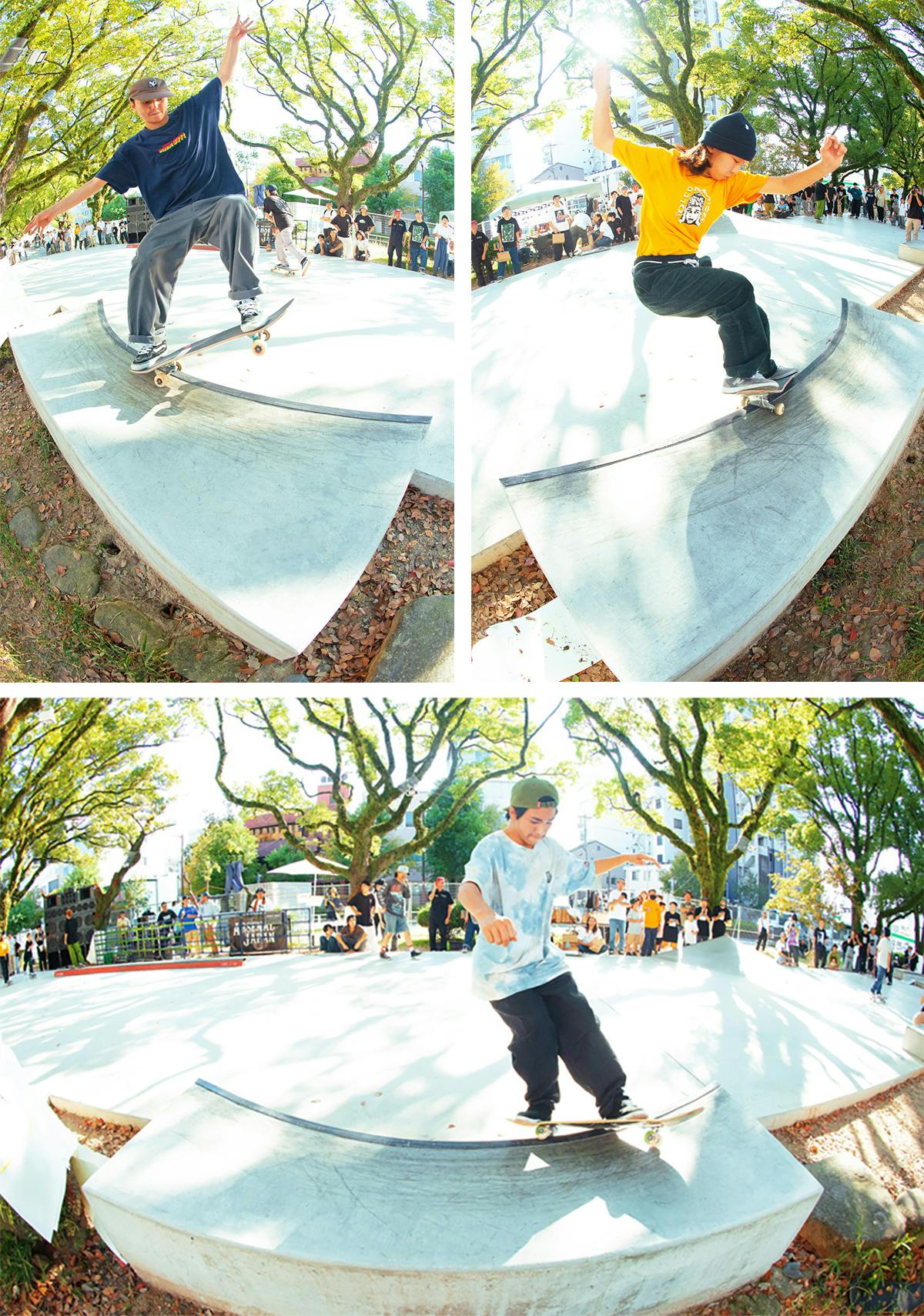
The trash issue back then was handled mostly by our local kid Yuga—he was still in high school and had that leader vibe, basically keeping the younger crew in line. When adults were making a fuss about garbage, he didn’t argue; he just went ahead, bought trash cans himself, set them up, and took it upon himself to clean up. Along with the other young locals and various people, he handled it in a super cool way, so trash wasn’t really a problem at the time.
Honestly, if anyone was tossing garbage, it was probably more the adults than the kids. And, well, those types are the ones whose ollie landings are always crooked, who freak out over a minor scratch, and who seem completely oblivious to everything around them—including their own knees (laughs).
Personally, I kind of treat trash like part of the section. If a can rolls into just the right spot, I might go for a tail bash. So I don’t think the people picking up trash are automatically heroes—but the ones who litter? Yeah, that’s just gross. Still, no need to make a big deal out of it; crows will carry some of it off, and you can always just pick it up yourself.
Back in the old Wakamiya park in Nagoya, Aichi Prefecture, it was so filthy I didn’t even want to fall—so my trick success rate actually went way up (laughs). But Niwamichi? That place was just too nice to need any trash.
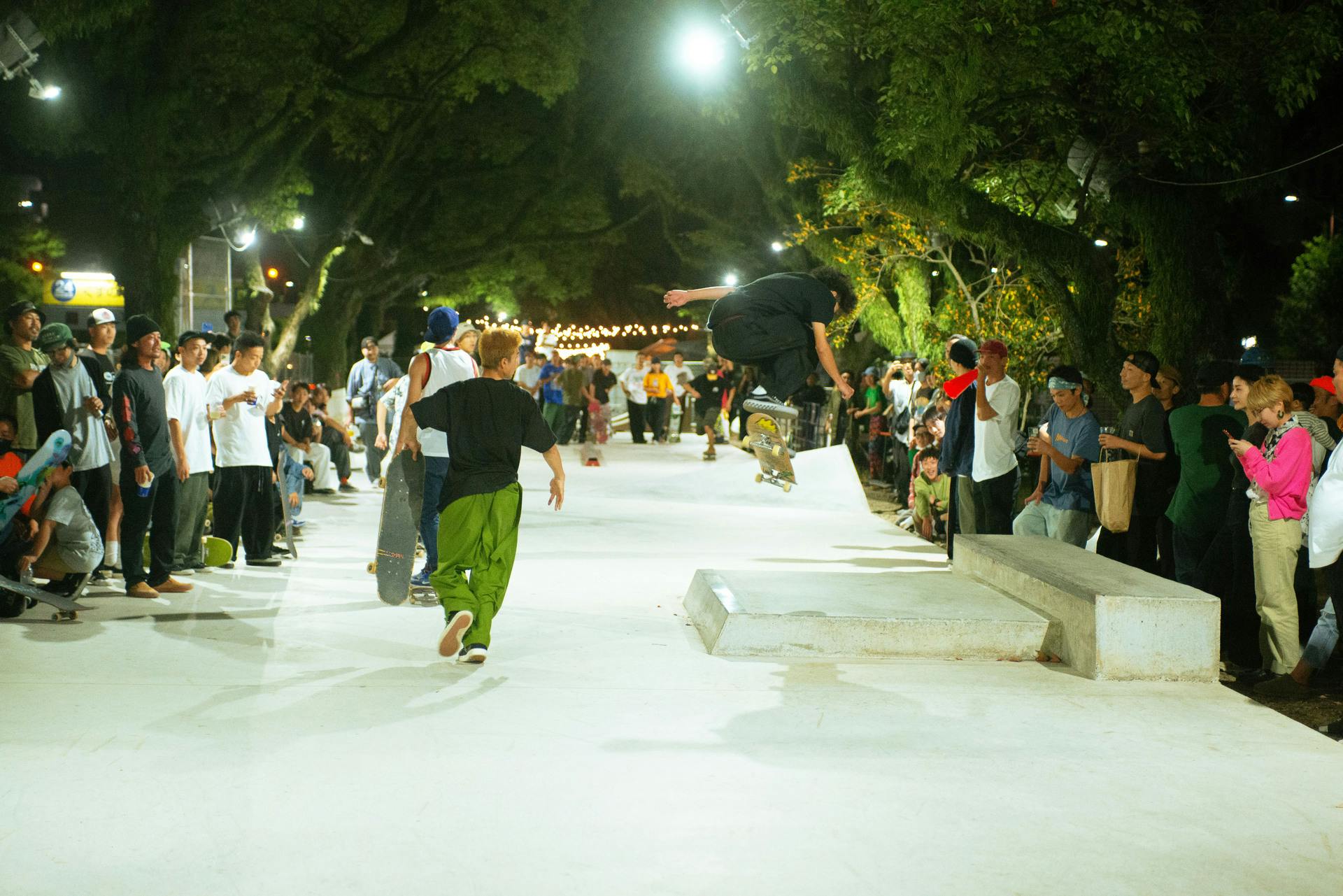
Those who are out in the field a lot, seeing the city’s issues firsthand, probably want to handle things properly. But many others, stuck in office work all day, don’t really feel that way.
When there’s a risk of problems, they’d rather not touch it. If something goes wrong, no one wants to take responsibility. Those fears and overreactions build up, and the result is… doing nothing. Nothing gets done. Making rules in that kind of environment doesn’t really solve anything. In fact, rules often turn into new problems, which then just create even more issues. I guess you could say it’s partly human psychology at play.
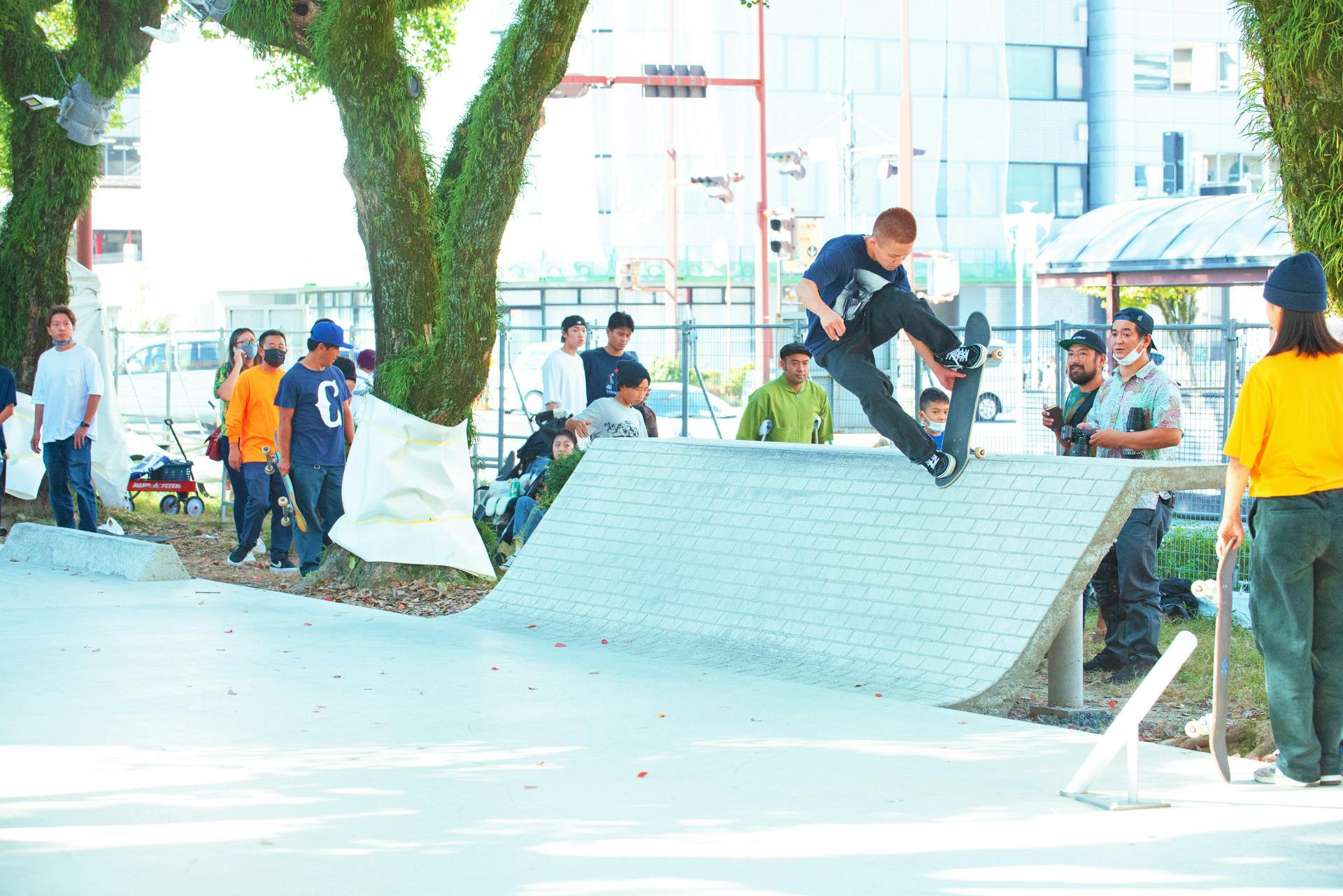
What I realized is this: instead of standing in their shoes, “I try to make them stand in mine”. That’s the mindset I bring when I deal with them.
This project started with zero connection to the city. We didn’t know them, and they didn’t know us. There was no trust at all.
Most of them didn’t even know the first thing about skateboarding. To be honest, we were questioned like we were under investigation. Every move was doubted.
So the first thing we did was listen. We heard them out, answered every question without running from anything. And at the same time, we slowly tried to pull them into our perspective — to get them to stand where we stand. Little by little, we let them feel why we were so hyped about this. Once they started to sense that excitement, I think a lot of their fears faded. And that’s when motivation started to grow on their side too. I also realized something: when you turn an argument into a discussion, the way things get across changes completely. And that makes all the difference.
We didn’t have time to fight. The only option was to work together.
On top of that, we were seriously short on time before the project had to launch. There was real pressure.
But at the same time, I had confidence. I’ve been skating in this city for years. I know these streets.
That gave me the belief — and the calm — that we could see it through.
I kept thinking about how many spots I’ve built over the years.
Just like what I’m doing now with SOUTH TREE — there were barely any skaters, nothing there to begin with. And still, I’ve kept creating something out of nothing. New parks. Shops. Business models. And more than that — new connections, new energy, real growth. I’ve done it again and again. So yeah, I knew I could definitely do it this time too.
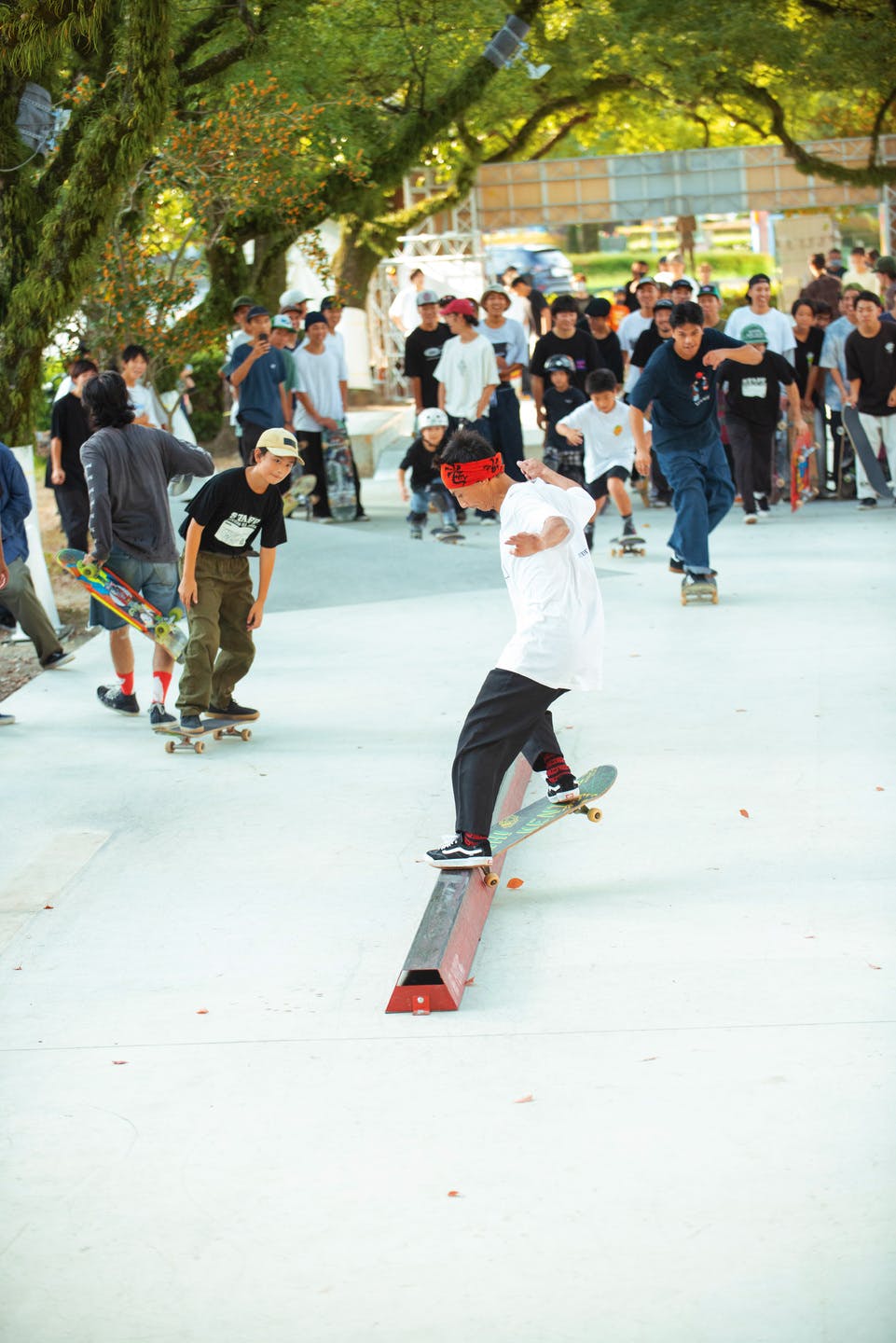
But if a place is created for people, or if a place already exists, I think we should give more back to it.
That’s really all I wanted to express by building this park. Skaters like us, who skate no matter the environment, can definitely do that. With that in mind, I always faced everything head-on. Even through all the meetings we had, I never once stepped back.
The reason is simple: I never asked anyone to build a park for me. Because of that, there was no need for any hierarchy. That’s exactly why we could speak as equals — and why I’m truly glad we were able to make it happen.
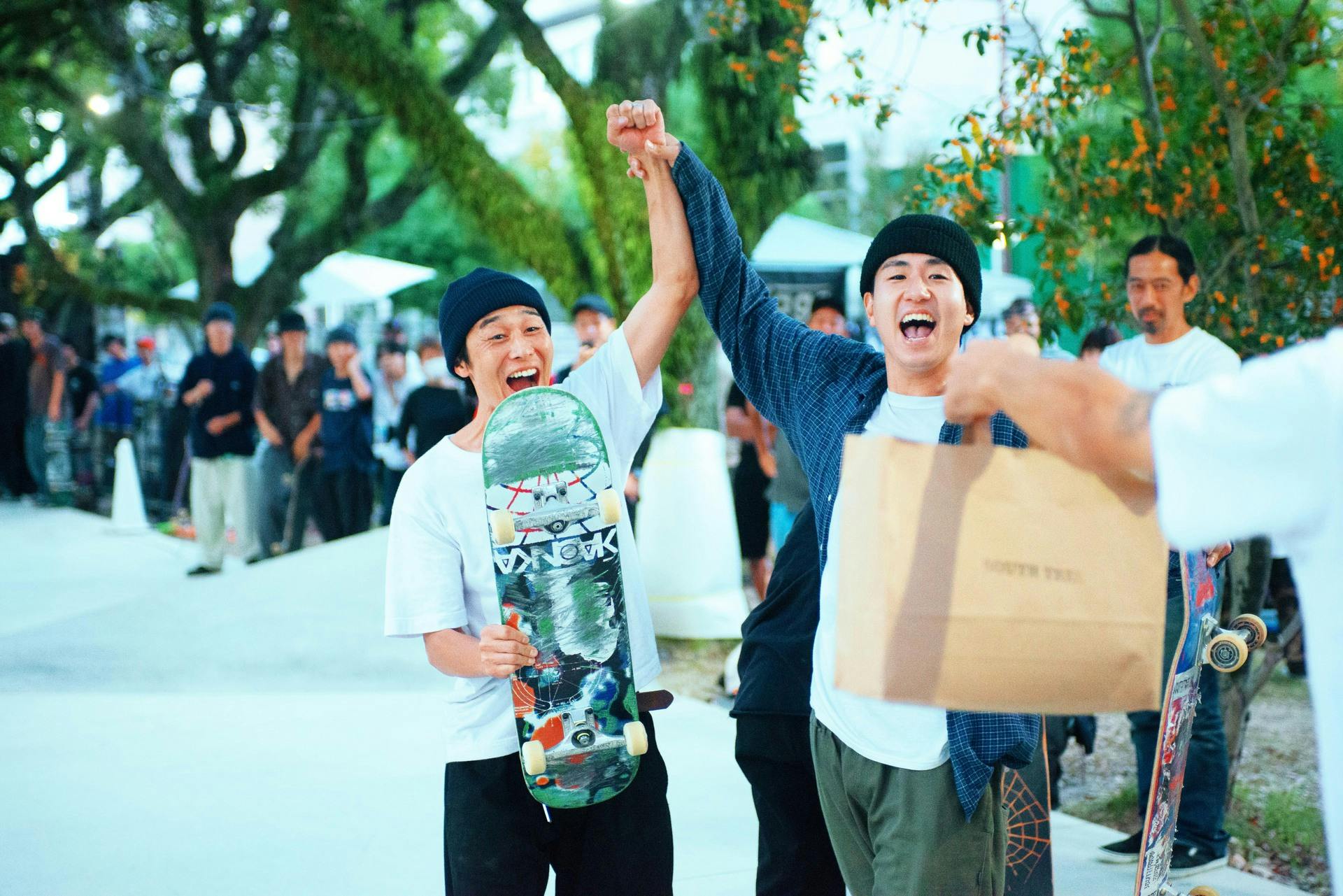
Just by building a skatepark, so many amazing things like this can happen — it’s truly the best.
Big thanks to PANCAKE for the interview. And yes… I’m eating PANCAKE tomorrow.